
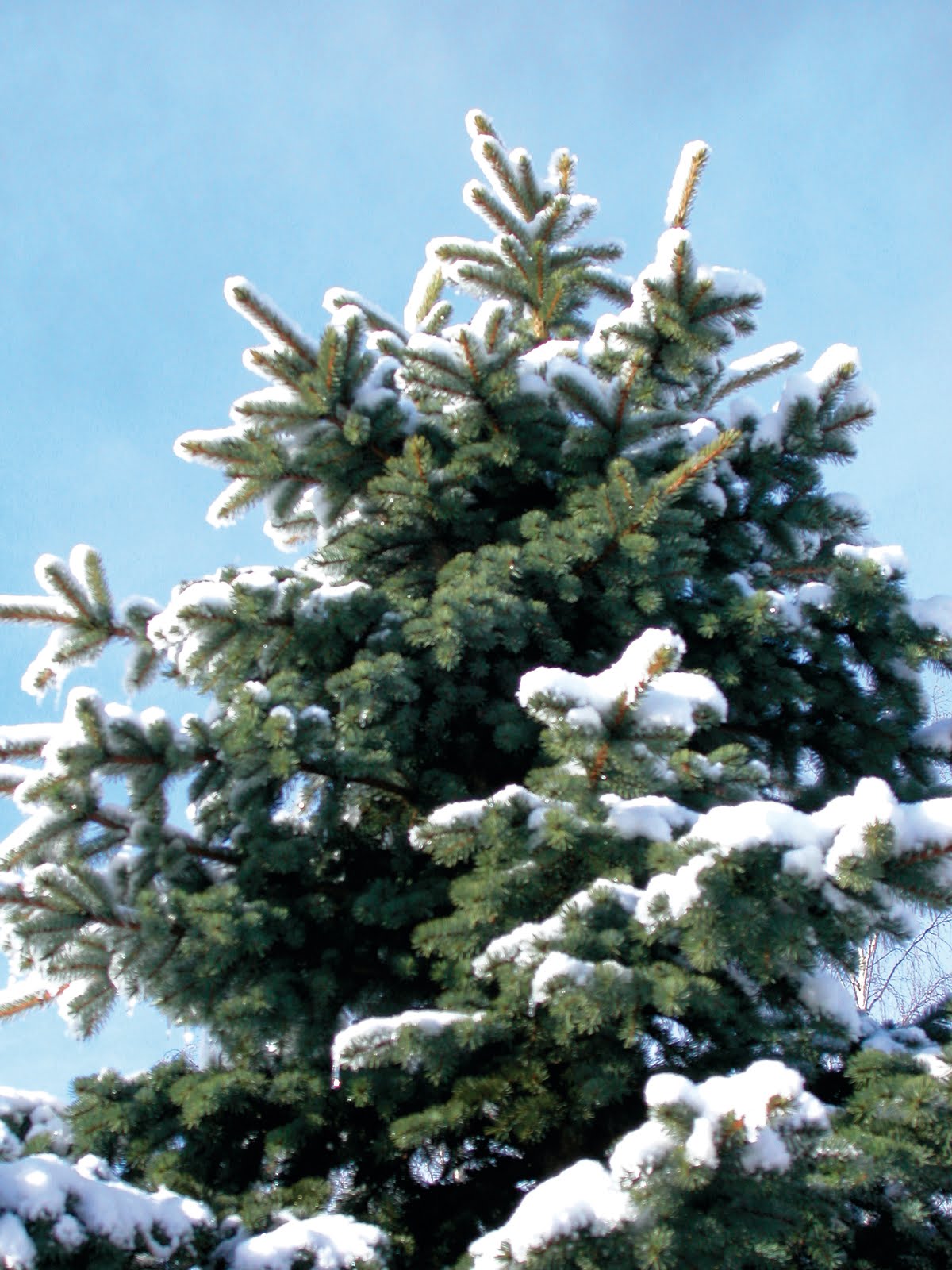
Longing to write about this tree for some time, I find it timely to discuss the possibilities of a unique dwarf conifer. Now that the holidays are behind us what could be planted into our outdoor containers other than using the proverbial dwarf Alberta spruce (Picea glauca ‘Conica’)? As a garden center owner I am always astounded as to the number of DAS (dwarf Alberta spruce) we sell as an industry. Known to be problematic, a condominium for spider mites, water hogs and eager for full sun, most seem to be planted in containers far too small for their root systems and forced into cramped, unlit surroundings. Allow me to introduce a substitute… Bristlecone Pine (Pinus aristata).
Years ago, studying at Rutgers University, I had a plant identification class where I learned this tree for the first time. Pinus aristata is a five-needle type conifer (leaves borne 5 together) with an extremely slow growing habit. Bluish-green needles adorn a most picturesque character both in its adolescence and more mature years. The bark of a Bristlecone morphs from a smooth grey-green when it’s young to a more fissured, rust color as it matures. The needles are aromatic, but it’s the white dots commonly found along the needles that have always intrigued me. Resinous exudations (secreting a viscous marking through its pores) are markings that look like tiny sugar crystals sitting along the needles that many confuse as insect or fungal issues. These, in fact, are natural occurrences that quickly help to identify what type of tree you are looking at. Tolerant to dry soils, they make a great container plant for those who are remiss in their watering habits. While Bristlecone can obtain heights of 20-40 feet and are documented as one of the oldest living plants on earth, this dwarf conifer could survive in a planter almost indefinitely. Three to five foot plants can take the better part of 20 years to achieve. Native to the Southwestern United States, Pinus aristata has often been referred to as a Foxtail pine because of the bushy effect of its foliage.
As with any great plant this also has a few cultivars to be on the lookout for. ‘Sherwood Compacta’ is a plant I have, as a pair, welcoming guests as they approach our walkway. Even slower growing than the species, ‘Sherwood Compacta’ is a handsome, perfect little pyramid. Complete with small purple cones in the spring, it has “tightly packed tufts of medium-long, green needles with white undersides” (Iseli Nursery). Found and named by the late Oregon nurseryman Andy Sherwood, ‘Sherwood Compacta’ is a cultivar that can survive years in a contained area. ‘Formal Form’ is another Great Basin Bristlecone Pine that has a more narrow, uniform shape, which is larger than ‘Sherwood Compacta’ and smaller than ‘Blue Heron’. The needles are 1.5 inches long and radiate, as do the others, around the ascending branches. All are long-lived plants.
Speaking of longevity, as previously mentioned, Bristlecone’s are among the oldest living plants in the world. One such plant, “Methuselah”, is aptly named after Methuselah, the longest-lived person in the Bible. The tree is located in the “Ancient Bristlecone Pine Forest in the White Mountains of eastern California, however, it’s precise location is undisclosed by the U.S. Forest Service to protect the tree from vandalism” ( Methuselah Walk. U.S. Forest Service/ Eastern Sierra Interpretive Association). Core samples were taken in 1957 and estimated the tree to be 4,789 years old then. It is the oldest known individual tree in the world and non-clonal organism still alive. Its estimated germination is 2832 BC! Considering that Bristlecone’s may only obtain an inch or so in diameter in the course of a century, you can appreciate the perseverance of such a tree. To clarify any confusion, the fore mentioned tree is categorized as Pinus longaeva. Pinus aristata, longaeva and balfouriana are all closely related species of Bristlecone pine. Cold temperatures, dry soils, high winds and shorter growing seasons all contribute to the stagnation of a Bristlecone’s development. As a result, the wood is quite dense and resinous creating a natural barrier for insects and fungi to penetrate.
Suitable for rock gardens, bonsai work, an entrance piece to a garden or an outstanding container plant, Pinus aristata can have many uses. Tolerant to dry soils, less likely to be invaded by spider mites and a slow grower are all reasons to consider this over the more pedestrian dwarf Alberta spruce. Not to mention the neat white spots you can stump your friends with when they think an insect is invading your tree. You know better!

